
G+D Netcetera manages 1.4 billion tokens
Payment tokenization as prerequisite in e-commerce


CloudPay provisions to iOS using both HCE and SecureElement, and to android using HCE. This dual-method coverage reaches tap-to-pay availability that HCE-only alternatives can't match.
Customer data remains with the issuer - enabling direct monetization of transaction insights, enhanced fraud detection through complete data visibility, and personalized services built on first-party data.
CloudPay's client-side SDK handles provisioning, tokenization, and routing independently. Minimal backend system integration, no architectural changes, no app bloat. A unified SDK. Minimized backend integration complexity. Go live fast.

CloudPay empowers You: your app, your brand, your data. Issuers deploying CloudPay become strategic payment providers, not the infrastructure behind someone else’s product.

CloudPay lets issuers launch A2A tap-to-pay with the potential to avoid and large-scale merchant terminal upgrades or acceptance setup changes. The regulatory investment can become the foundation for a new payment channel, helping minimize additional costs to either side.

CloudPay's co-badged card solution links tokens across multiple schemes and synchronizes their status. At transaction time, the optimal rail is selected: domestic schemes for local payments, global schemes for international ones. Customers save. Issuer margins improve.

Launched in 2015. 100+ banking partnerships across tier-1 institutions and regional players. 14+ million active cardholders executing secure transactions daily. Multiple payment technology transitions, all navigated without requiring issuers to re-architect.
Most digital wallet platforms are constrained to one OS or one security technology. CloudPay provisions to iOS using Host Card Emulation - the approach now available across the EU following Apple's NFC opening - as well as Secure Element for iOS markets where hardware security is mandated. Android support is full and established.
The result: no consumer is left out because of their device. Every market is accessible
By generating virtual cards on demand and routing transactions through existing EMV rails, CloudPay lets merchants accept A2A payments through the terminals they already have.
Minimal upgrades. Little new acceptance infrastructure needed. Consumers tap to pay using a gesture they already understand. The gap between P2P digital wallets and physical retail commerce starts to close.
CloudPay's co-badged card solution links tokens across multiple payment schemes and synchronizes their status continuously. When a transaction is initiated, CloudPay can enable the selection of the optimal card and rail, depending on issuer configuration and jurisdiction.
Customers benefit from visible savings. Issuers benefit from improved margins. One device can handle this intelligently, without the cardholder doing anything differently.
CloudPay is architecturally designed to keep all customer data entirely within the issuer's control, to be able to detect fraud, personalize services, and monetize insights. No third-party data exposure or surrender of first-party transaction intelligence.
Data sovereignty is built into the platform.
CloudPay's architecture puts all provisioning, tokenization, and routing logic in a lightweight client-side SDK, with flexible deployment options including server-to-server integration where needed. No architectural changes required, minimal impact on app size. Development timelines shrink dramatically. Technical risk is minimized. Deployment happens in weeks rather than months.


HCE on iOS and Android for everyday tap-to-pay. Secure Element for wearables and markets where hardware security is mandated. Wherever and however your customers pay, CloudPay keeps them connected to your brand - not a tech platform’s.

Customers are increasingly aware that the tech platforms own their data. A bank-issued wallet offers a compelling alternative: the same seamless experience, with the privacy and trust of a regulated financial institution.

CloudPay bridges the gap between P2P digital wallet payments and in-store commerce. A2A payments work through existing EMV terminals - consumers tap to pay using the experience they already understand, with no new apps, no QR codes, and no friction at the till.
Accept A2A payments through existing terminals with zero infrastructure investment.
Reach digitally-native consumers who pay through bank apps.
Reduce payment acceptance costs through intelligent routing to lower-cost domestic card networks.
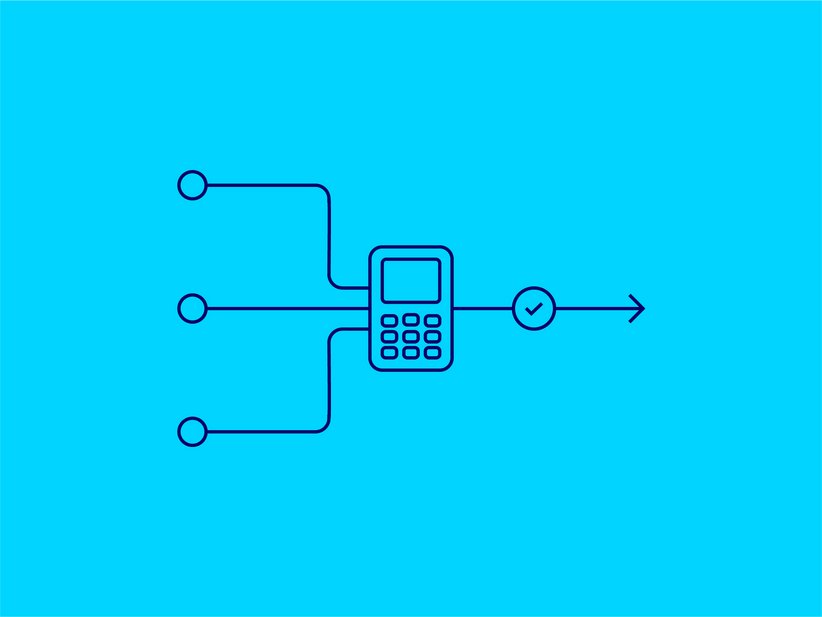
Universal tap-to-pay across all devices.
Transparent cost savings through optimized payment routing.
Enhanced privacy through data-sovereign architecture. Seamless experience from peer-to-peer payments to physical retail - through the bank they already trust.
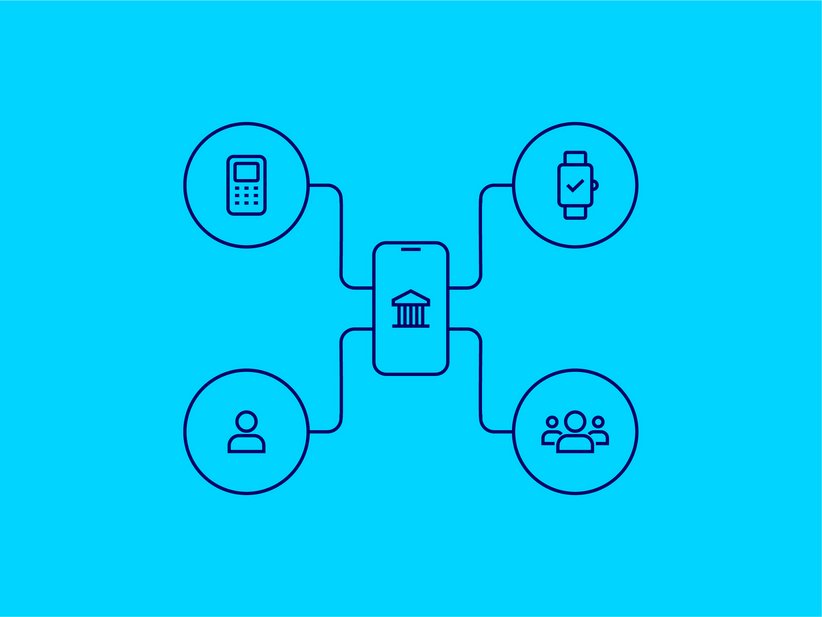
Accelerated adoption of domestic card networks through co-badging capabilities. Expanded transaction volumes through A2A-over-EMV innovation.
Strengthened competitive position against closed OEM wallet ecosystems.
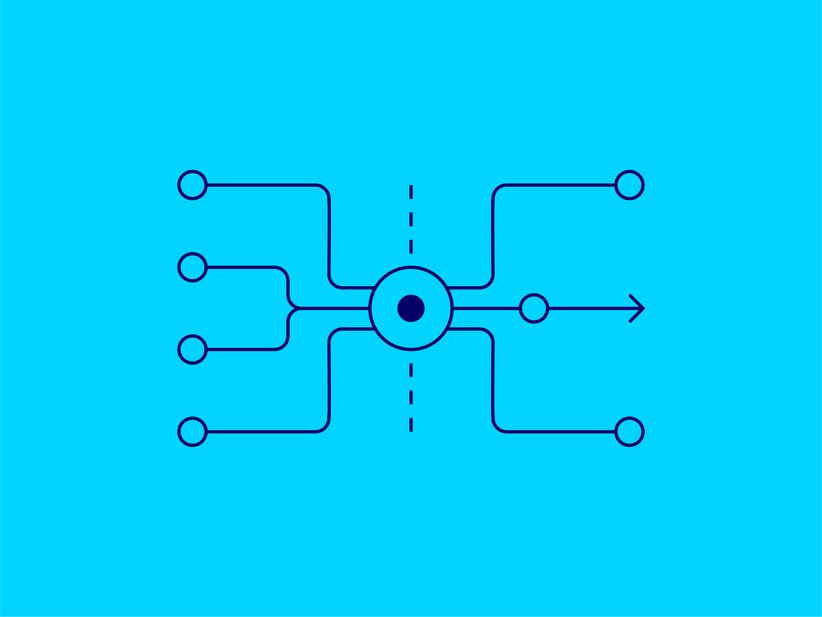
CloudPay directly supports European Commission objectives for payment sovereignty, digital wallet adoption, and reduced dependence on non-European payment infrastructure. Data-sovereign, scheme-flexible, infrastructure-compatible - CloudPay accelerates the vision of truly independent European payments.
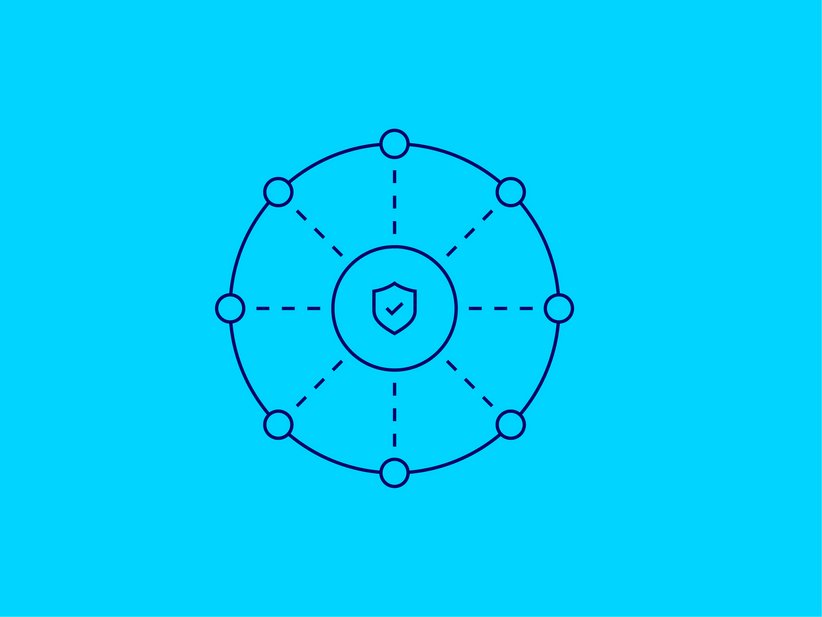

Regain your customer relationship in mobile payments. Banks have a unique opportunity to strengthen their identity and deepen customer relationships by offering embedded payments in their own mobile apps and under their brands. By creating a top-of-wallet experience, banks can position themselves as central players in customers digital lives.”
“Payments anytime, anywhere as part of your overall services. Banks must consider how to leverage mobile contactless payment effectively. By doing so, they can not only enhance customer engagement but also differentiate themselves in a crowded market.”
Apple Pay and Google Pay are excellent products for consumers. We have build something which is great for issuers, too. When your cards are provisioned to an OEM wallet, the payment journey of the user begins from OEM wallet, tha transaction data flows through Apple or Google. They own the customer relationship. You own the liability. CloudPay is different: it is a bank-issued wallet that runs inside your mobile banking app, on your infrastructure, with your brand. The customer data, the transaction visibility and the monetization opportunity, stays with you. You compete on the same experience - seamless tap-to-pay on iOS and Android - without surrendering what makes your customer relationship valuable.
In July 2024, Apple opened NFC access to third-party developers across the EEA. For HCE-based implementations in Europe, this access is available at no additional cost. CloudPay uses Host Card Emulation on iOS for markets covered by this arrangement. For markets outside this scope, or where hardware security standards are mandated, CloudPay supports Secure Element on iOS as well. So, the right technical approach for each market is already there.
Account-to-account payments have a well-known adoption problem: merchants don't invest in new acceptance infrastructure until consumers use it, and consumers don't use it until merchants accept it. CloudPay breaks this deadlock. By using virtual cards and routing A2A payments through existing EMV rails, CloudPay enables merchants to accept account-to-account tap-to-pay through the terminals they already have - with no upgrades, no integration work, no new fees. For issuers who have invested in Instant Payments Regulation compliance, CloudPay turns that investment into a new payment channel rather than a compliance cost.
Weeks, not months. CloudPay's client-side SDK architecture means there is minimal backend integration, no server-to-server dependency, and minimal impact on the issuer's existing architecture. A single SDK handles provisioning, tokenization, and payment routing independently. Much of the integration effort is concentrated in the mobile app itself. G+D Netcetera supports the deployment with documentation, guidance, and dedicated project support - and the ten years of platform maturity means the answers to most integration questions already exist.
CloudPay supports major global card networks including Visa and Mastercard, and domestic schemes including Girocard and EFTPOS. The co-badging capability links tokens across multiple schemes, enabling the support of intelligent routing at transaction time - domestic schemes for local payments, global schemes for cross-border transactions. The scheme-agnostic architecture means adding support for additional regional or local networks does not require an architectural change to the platform.
CloudPay is PCI DSS certified for secure cardholder data handling, with built-in device tamper detection and annual independent security reviews. The underlying platform holds ISAE 3402 Type II certification, audited by KPMG with no exceptions noted in 2024. G+D Netcetera achieved ISO 27001 certification across all divisions. The platform is compliant with PSD2 SCA requirements and is designed to meet GDPR and regional data sovereignty standards, with all customer data remaining entirely within issuer control.
A next-generation platform that brings together tokenization, wallet enablement, token lifecycle management and digital payment orchestration within a single offering.

Modern Fraud Prevention Solution for Issuers, based on a flexible, modular architecture with intelligent risk-based authentication.


Payment tokenization as prerequisite in e-commerce

First-party misuse is now the world’s leading type of fraud, yet it is almost impossible to spot at checkout. Discover why friendly fraud is rising, what it costs the payments industry, and how better data sharing could help distinguish genuine disputes from deliberate abuse.

G+D Netcetera wins two Juniper Awards 2026 for fraud prevention and digital wallets, as banks rethink their systems landscape for future payments

3DS and SCA are working as designed. So why is UK payment fraud still rising?

This free on-demand webinar with G+D Netcetera and The Payments Association UK explores why 3DS alone is no longer enough, and how banks can use earlier intervention, cross-channel intelligence and secure data sharing to make fraud prevention more proactive.

G+D Netcetera Becomes an Official AWS Partner, Strengthening Cloud-Based 3DS Solutions
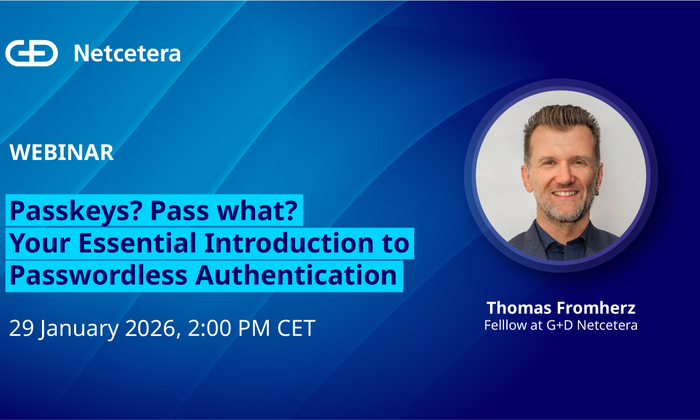
Your Essential Introduction to Passwordless Authentication. Tired of password resets, phishing attacks, and frustrated customers? It's time to discover passkeys—the authentication technology that's making passwords obsolete.

Payment trends for 2026: digital identity wallets, network tokenisation, AI fraud prevention, VRPs, embedded finance and payment orchestration.
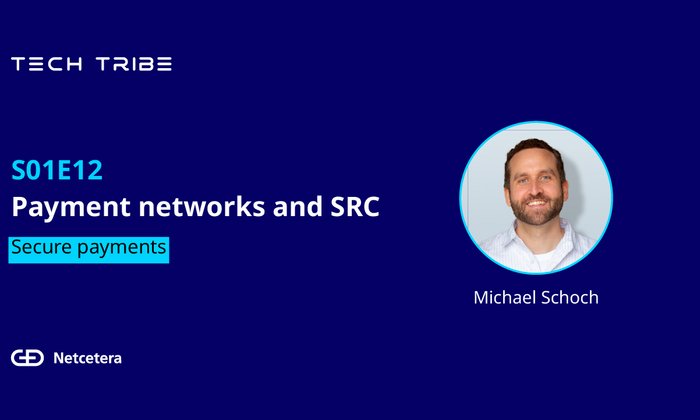
In our latest podcast episode, payment network expert Michael Schoch explains how Secure Remote Commerce (SRC) is creating new growth opportunities for domestic card networks.
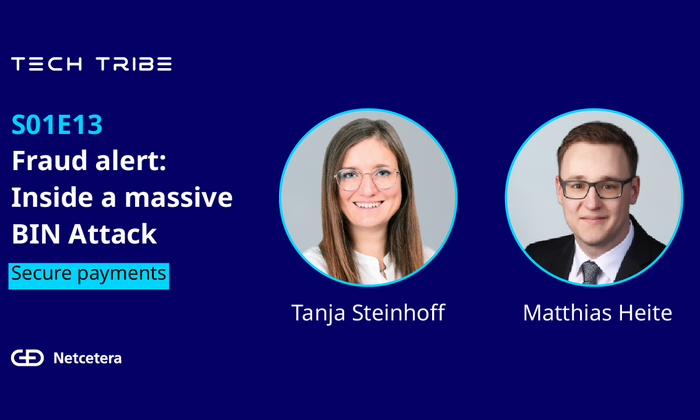
This Tech Tribe episode gives a rare look into how advanced fraud prevention works when every second counts — and how the right expertise can turn a crisis into a controlled situation.

CEO Carsten Wengel sits down with Martina Forster, Portfolio Owner for Secure Digital Payments at G+D Netcetera, to explore the evolving world of digital payments: from 3-D Secure to instant payments, Big Tech, and digital identity.

Protecting the business and customers from invisible threats
Make Instant Payments a success with G+D Netcetera, as your strategic partner
Remember the last time you abandoned a purchase because you couldn’t find your card? How much time, energy, and mood did you waste filling in the requested information? Ultimately, you just left your purchase because it was too time-consuming, data-consuming, and energy-consuming. Sound familiar? That’s exactly why Click to Pay was created. In this episode with Suzana Kordumova Nikolova, we explore what makes Click to Pay different from Apple Pay and Google Pay, how it enhances security, and why businesses adopt it.
Passwords are becoming a thing of the past. Passkeys deliver a safer, faster, and more seamless way to log in and approve payments. Payment expert Nakjo Shishkov explains how passkeys, 3DS, Click to Pay, and FIDO authentication set new standards for secure digital experiences. Learn how passkeys work, why they improve security, and how they drive better user journeys and higher conversion rates.
Wach the Click to Pay webinar featuring G+D Netcetera, Worldline, and Visa experts.

Maximizing Trust and Efficiency: G+D Netcetera expands ISAE 3402 certification to cloud services