The role of banks in a connected and user-oriented ecosystem
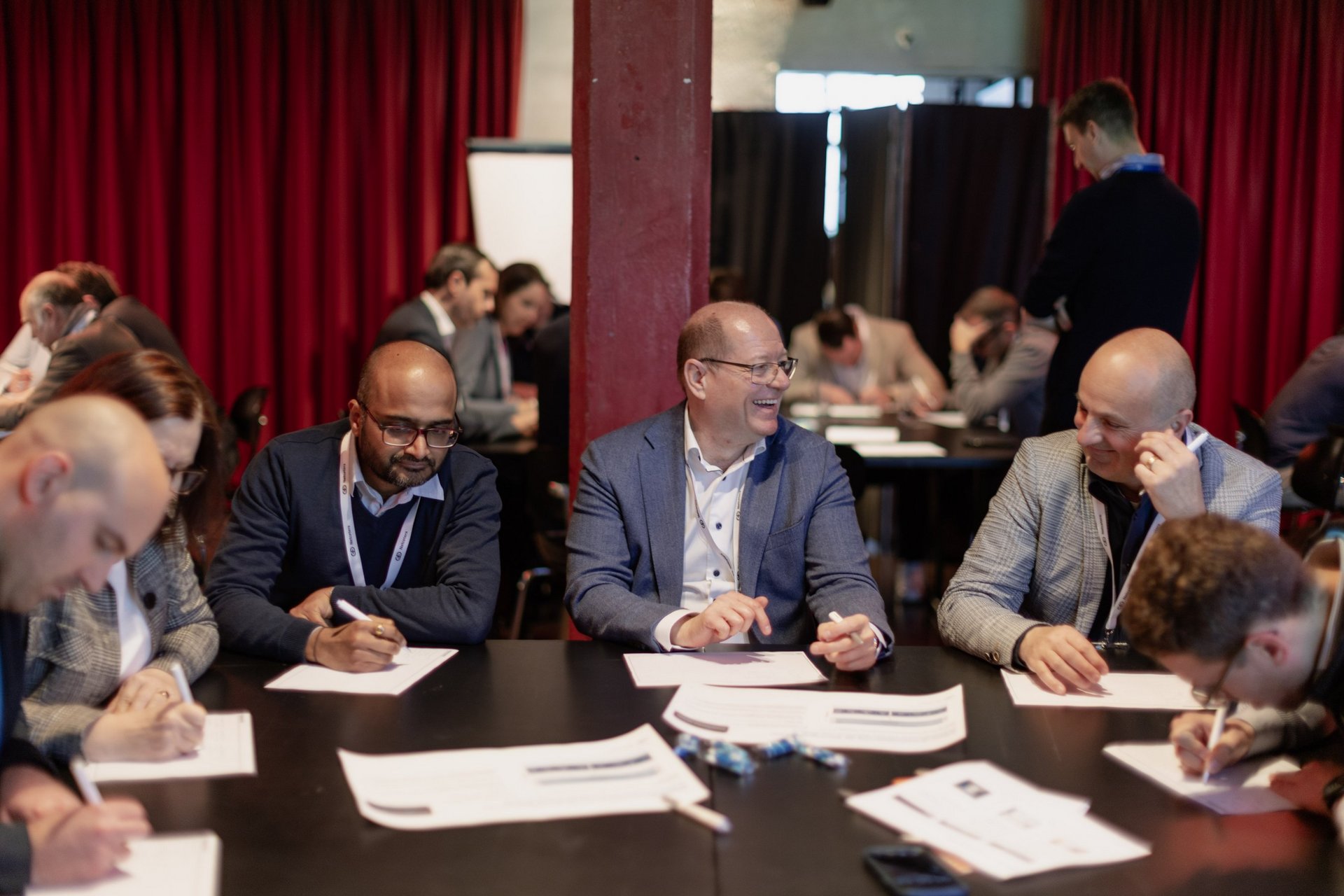
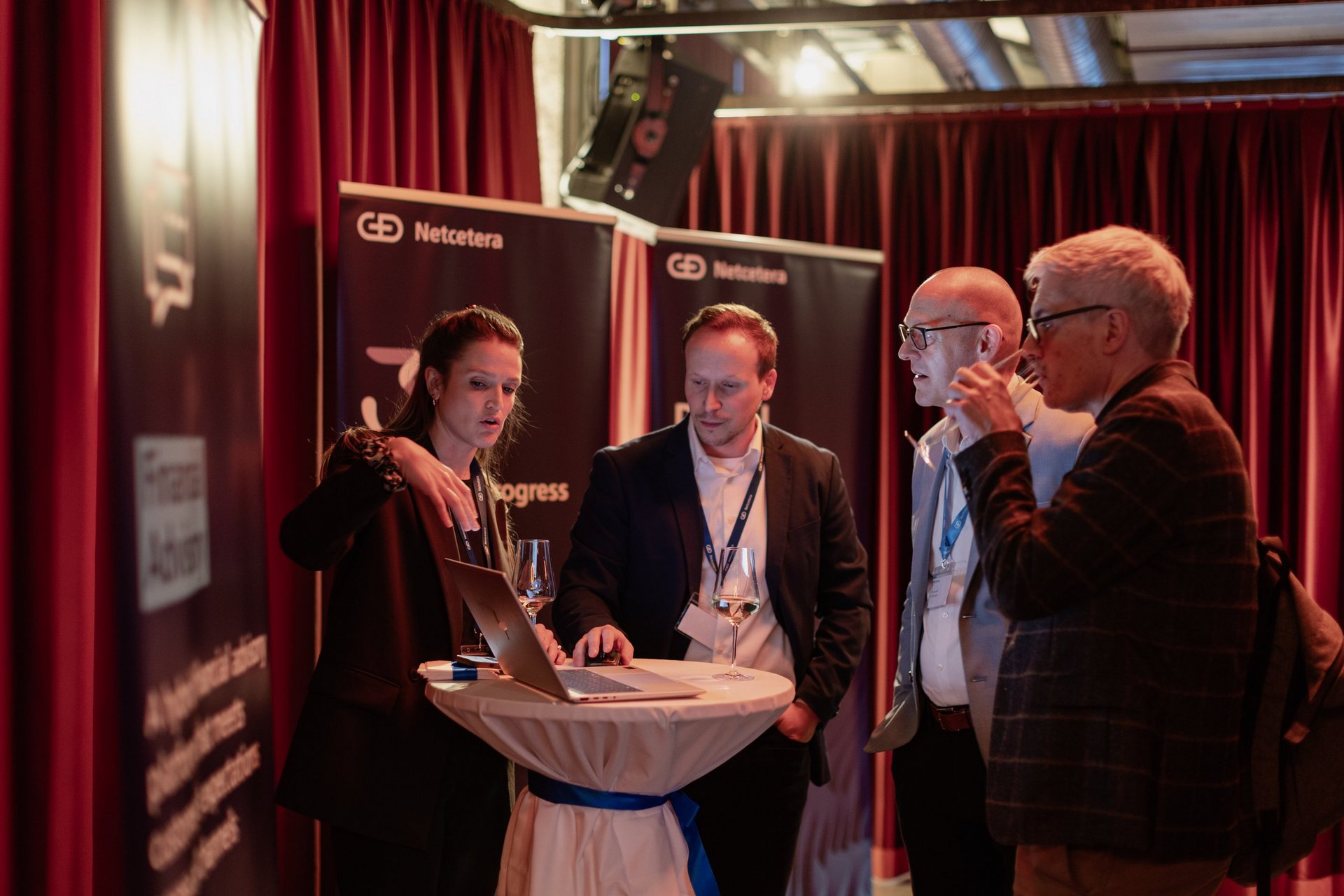
Under the motto «Digital Finance 2030: The Human-Centric Ecosystem», the third G+D Netcetera Digital Banking Summit took place in Zurich on March 12. It attracted a record number of 130 guests and partners from the financial sector and featured exciting workshops, presentations, and discussions.
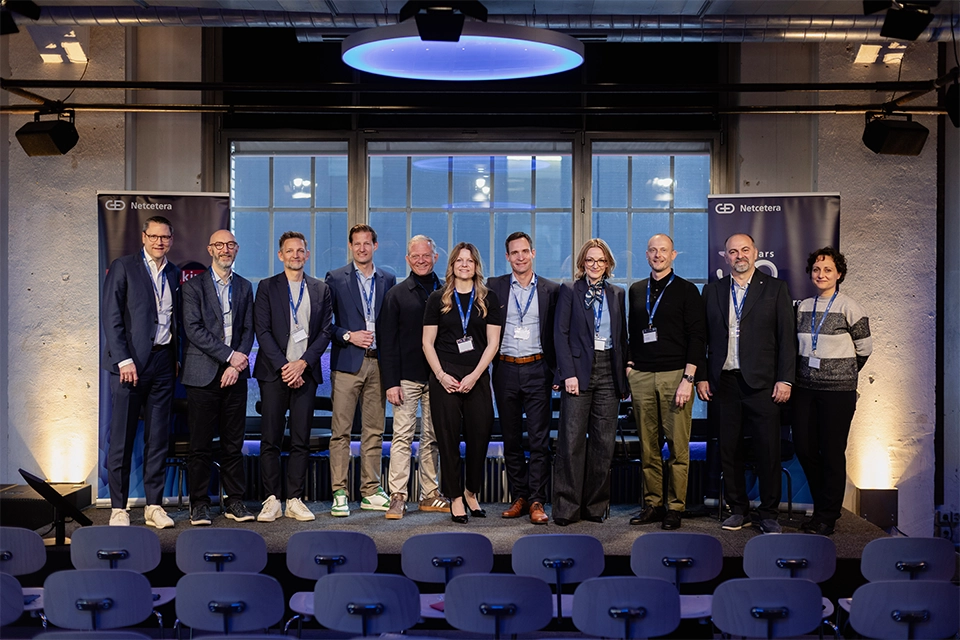
At this year's G+D Netcetera Digital Banking Summit, internal and external speakers highlighted the role banks play in a connected, user-centered ecosystem, how they can make effective use of Artificial Intelligence, and how banking will change by 2030.
Lessons learned from three decades of digital transformation
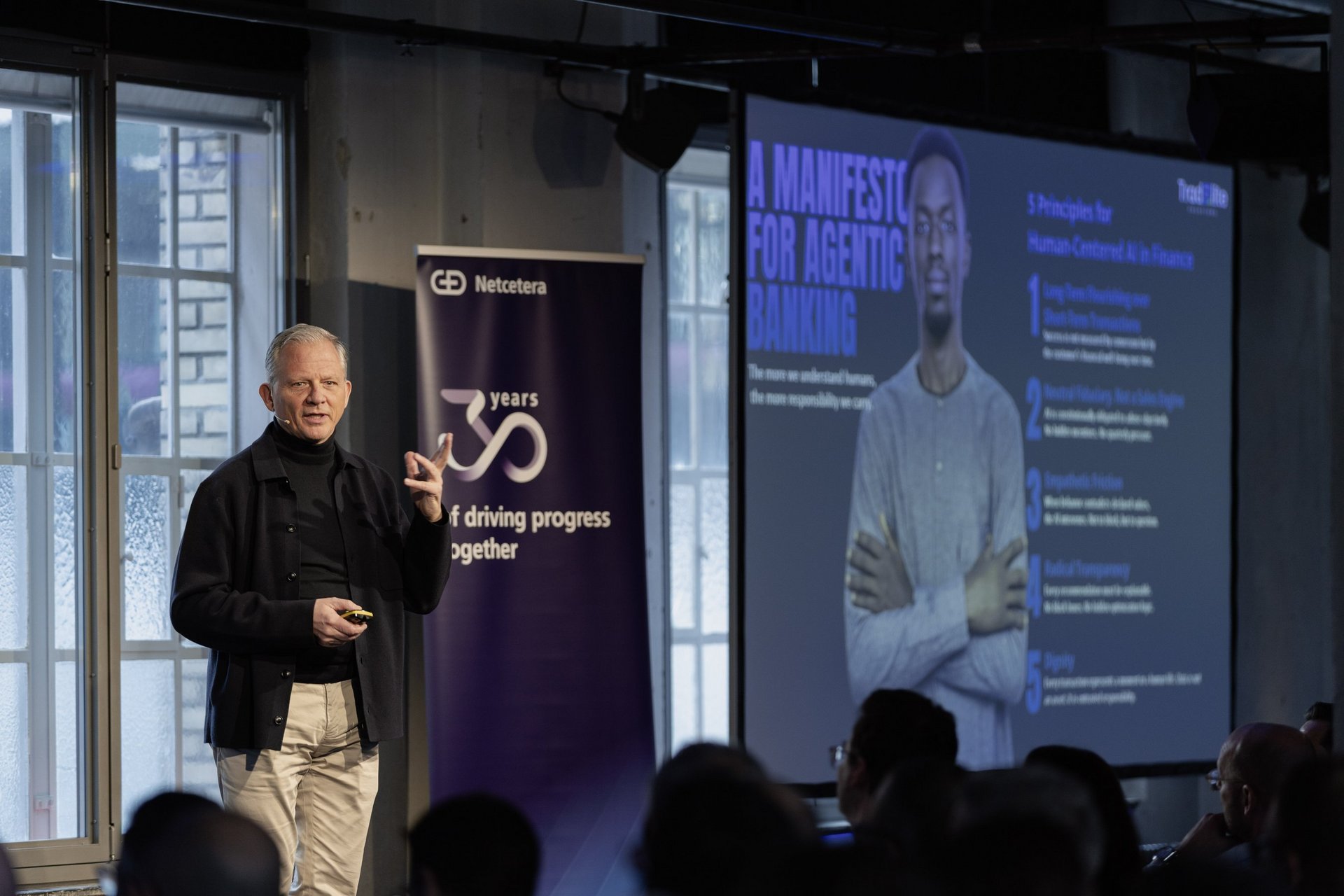
The event kicked off with a keynote speech by Matthias Kröner, fintech entrepreneur and co-founder of DAB & Fidor Bank. He noted that while each wave of digital transformation has increased efficiency and brought new and interesting players into the game, with each new development, retail banks have also lost touch with their customers. Banks today know everything about transactions, but very little about the people behind them. That is why there is only one thing that will matter in the future: moving away from transactions and toward personas. Artificial Intelligence can also help to better understand people and their thoughts behind their transactions, support them with AI agents, and thus bring more humanity back into the financial world.
Human-centered digital experiences instead of siloed individual solutions
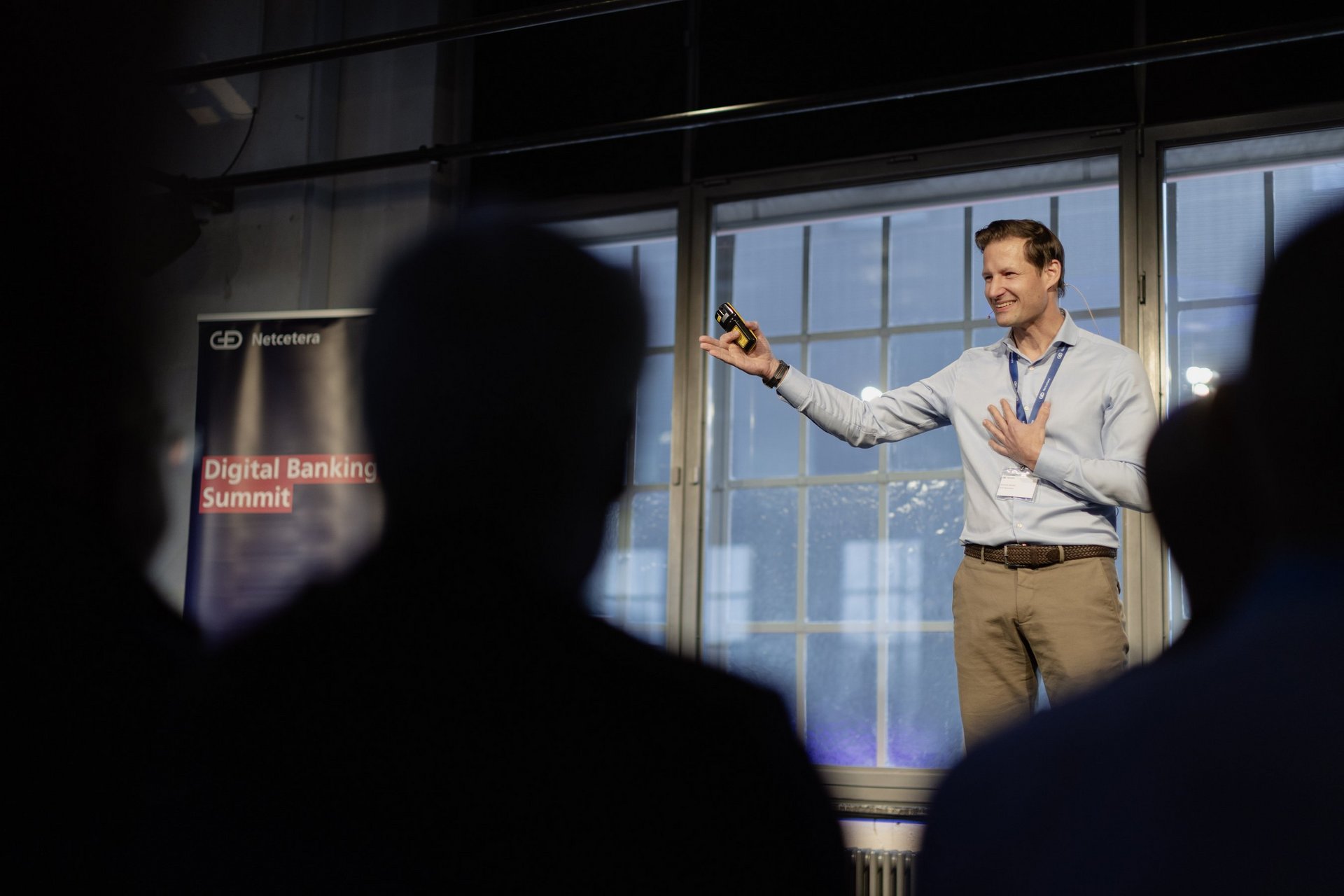
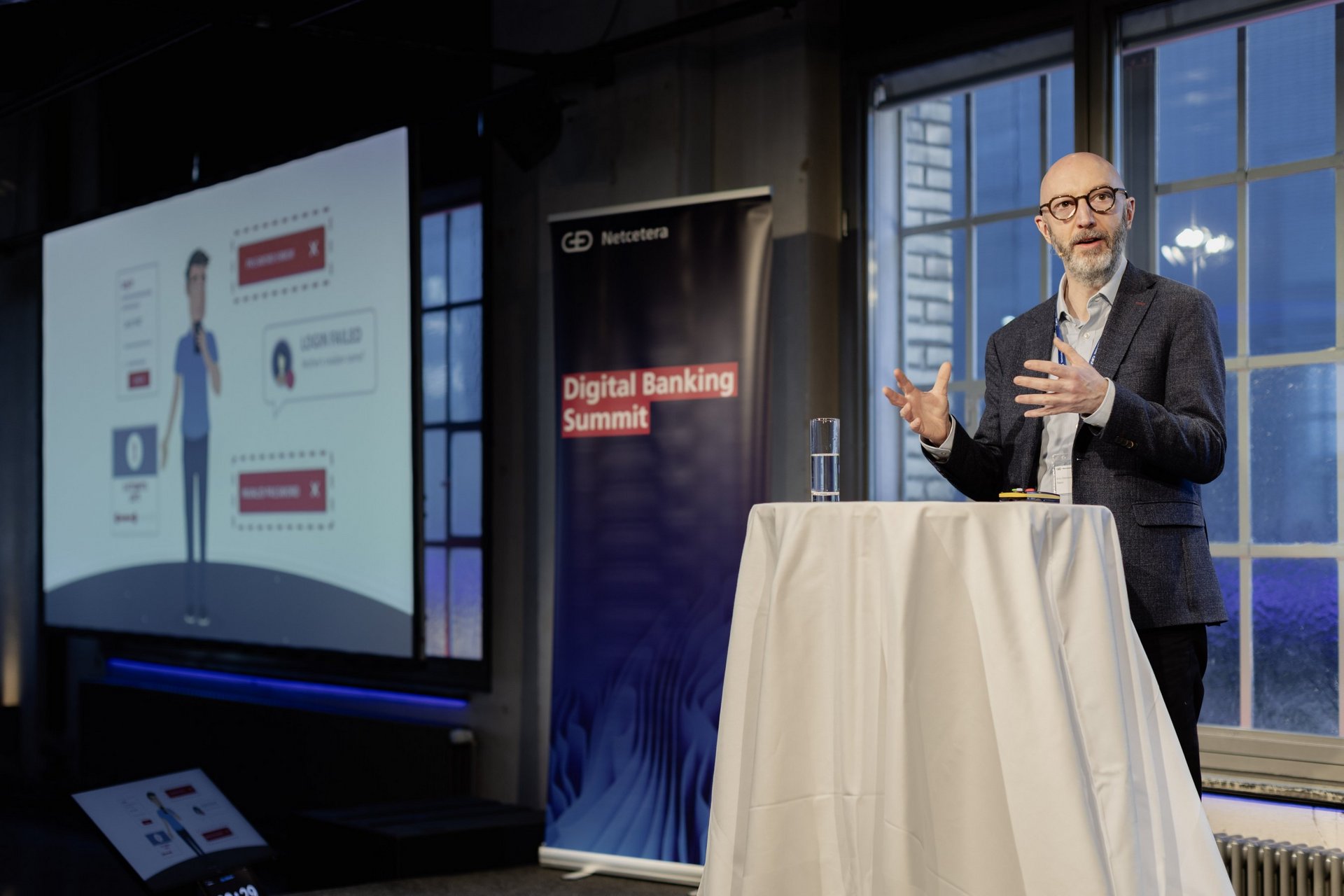
Dominik Wurzer, Managing Director of Digital Banking at G+D Netcetera, showed how systems thinking can help financial institutions move away from siloed individual solutions and design human-centered digital experiences.
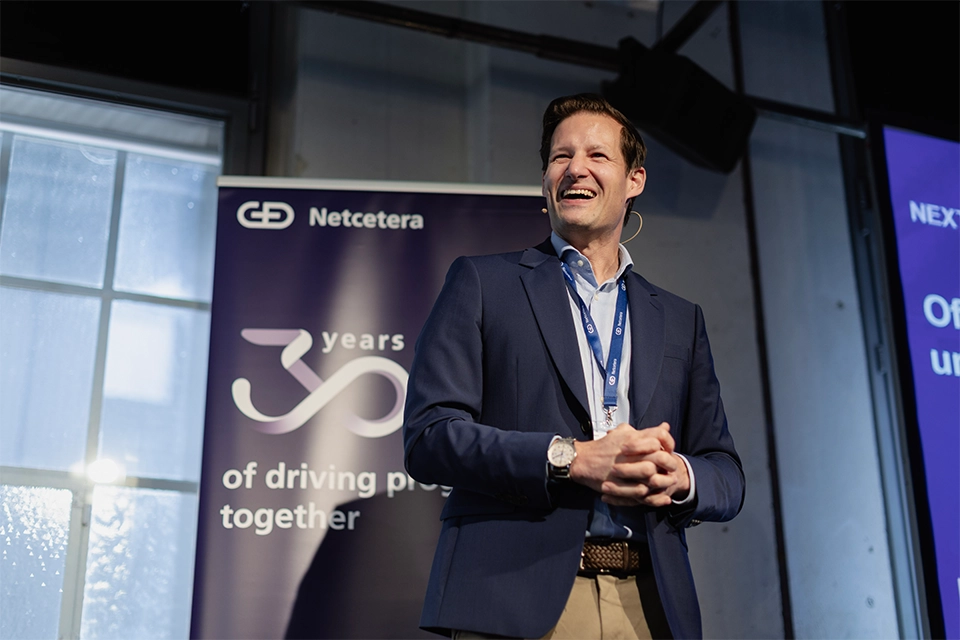
According to Wurzer, optimizing individual products or features is therefore no longer sufficient. He predicts a shift from a product perspective to a life perspective and from individual solutions to ecosystems. This challenges financial institutions to see themselves not only as service providers, but also as trustworthy players in a vibrant, people-oriented system.
How financial institutions can regain the trust of their customers
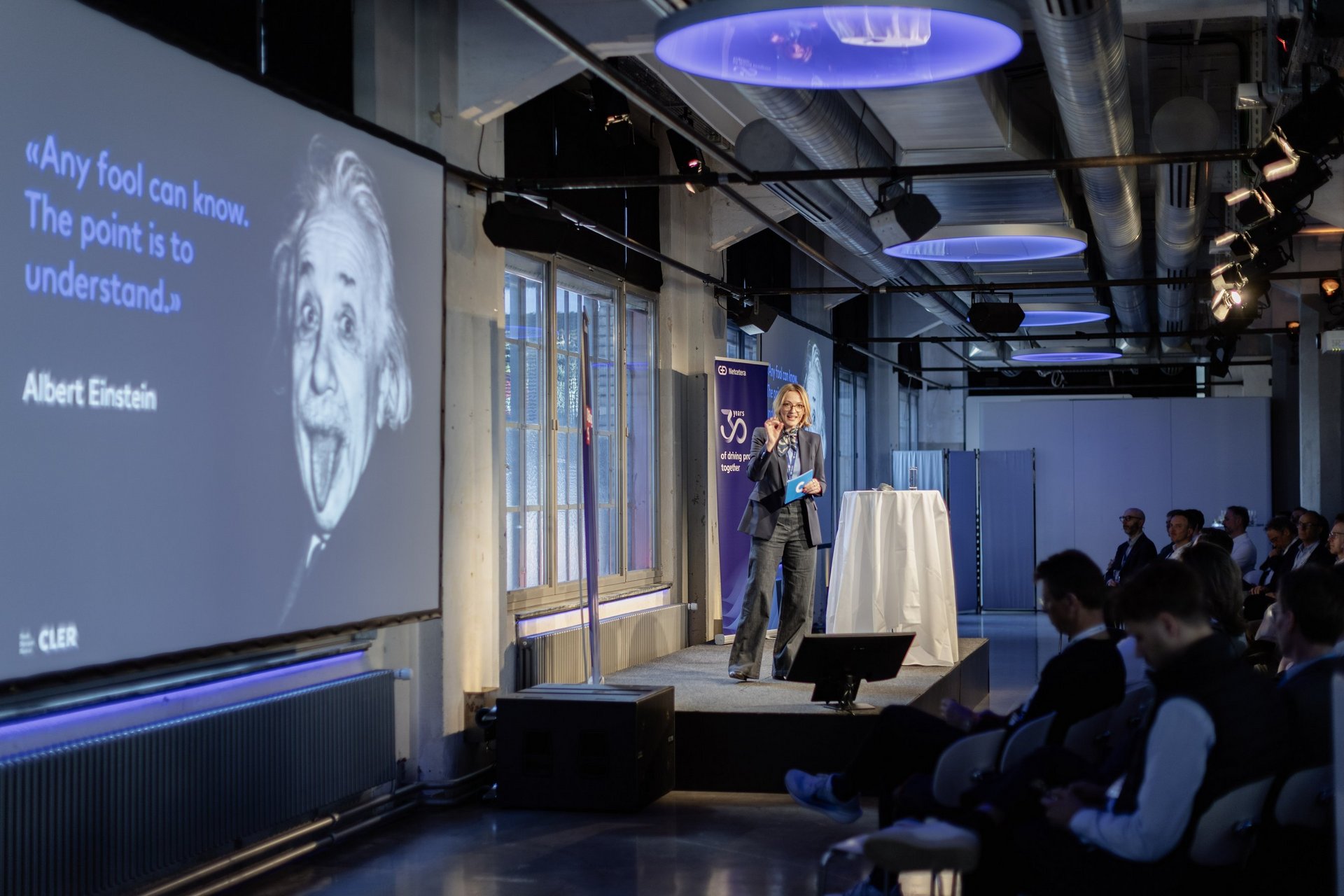
A study conducted by the ZHAW School of Management and Law, in collaboration with Bank Cler, found that financial matters cause stress for almost half of the people in Switzerland across all age groups. Sarah Braun, member of the Executive Board and Head of Market Management at Bank Cler, explained what banks can do to counteract this. Namely, they really listen to customers and understand their needs. And then create financial clarity in everyday life and build trust with understandable advice and smart solutions.
Eric Gilmore, Head of Pre-Sales Consulting for EMEA at DAON, explored how digital banks can leverage global experience across mature and emerging markets to design shared identity processes that are secure, consistent, and recognizably human. In the age of AI and deepfakes, the challenge is no longer just stronger authentication, but also intelligent identity continuity.
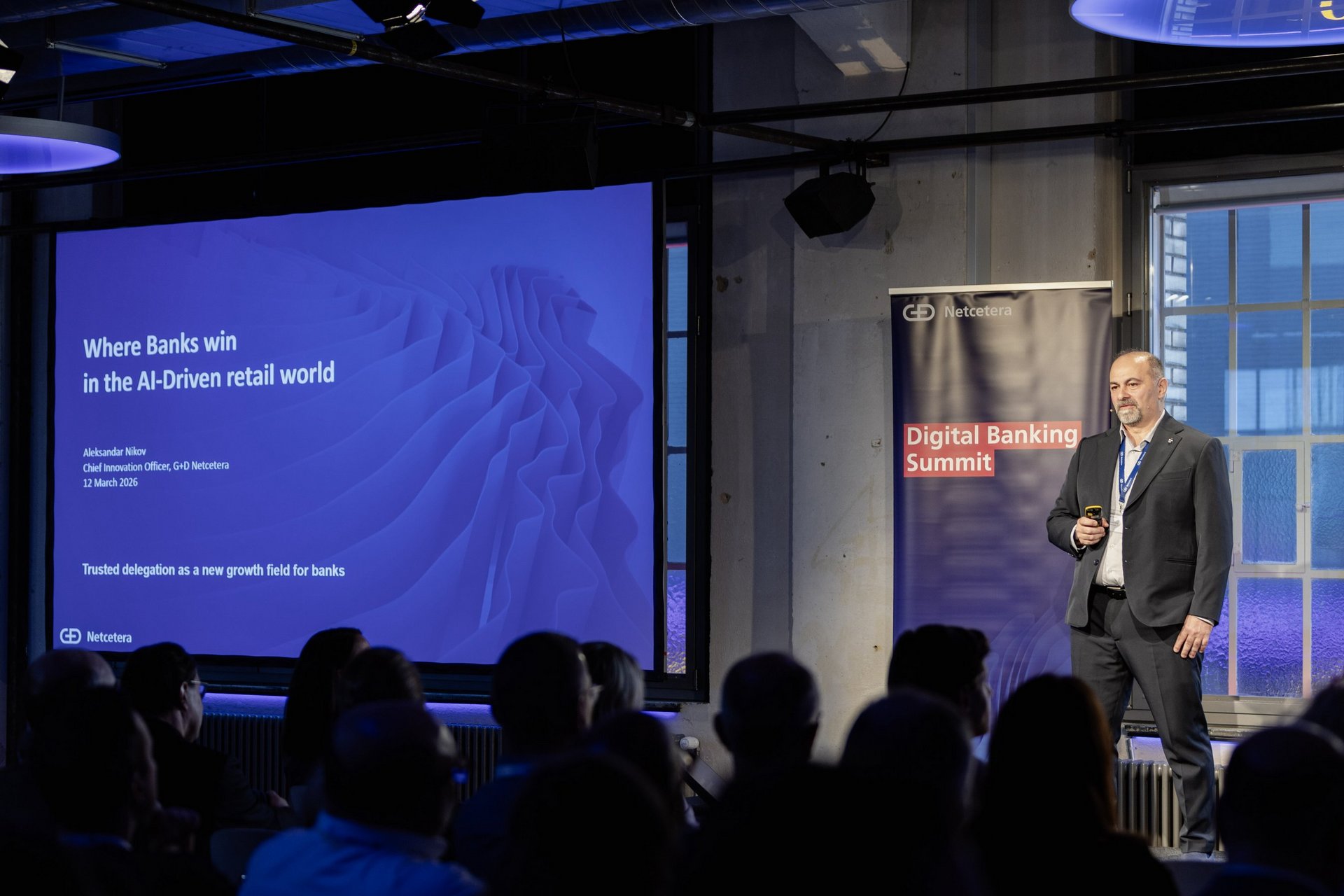
In his presentation, Aleksandar Nikov, Chief Innovation Officer at G+D Netcetera, used the retail world as an example to illustrate how AI agents are increasingly taking over our everyday lives and supporting consumers in their decisions and execution processes. It is certain that these developments will also be transferred to the banking world. However, it is not yet clear how strongly customers will trust AI agents in banking transactions.
When is it necessary to embrace gaps in Mobile Banking?
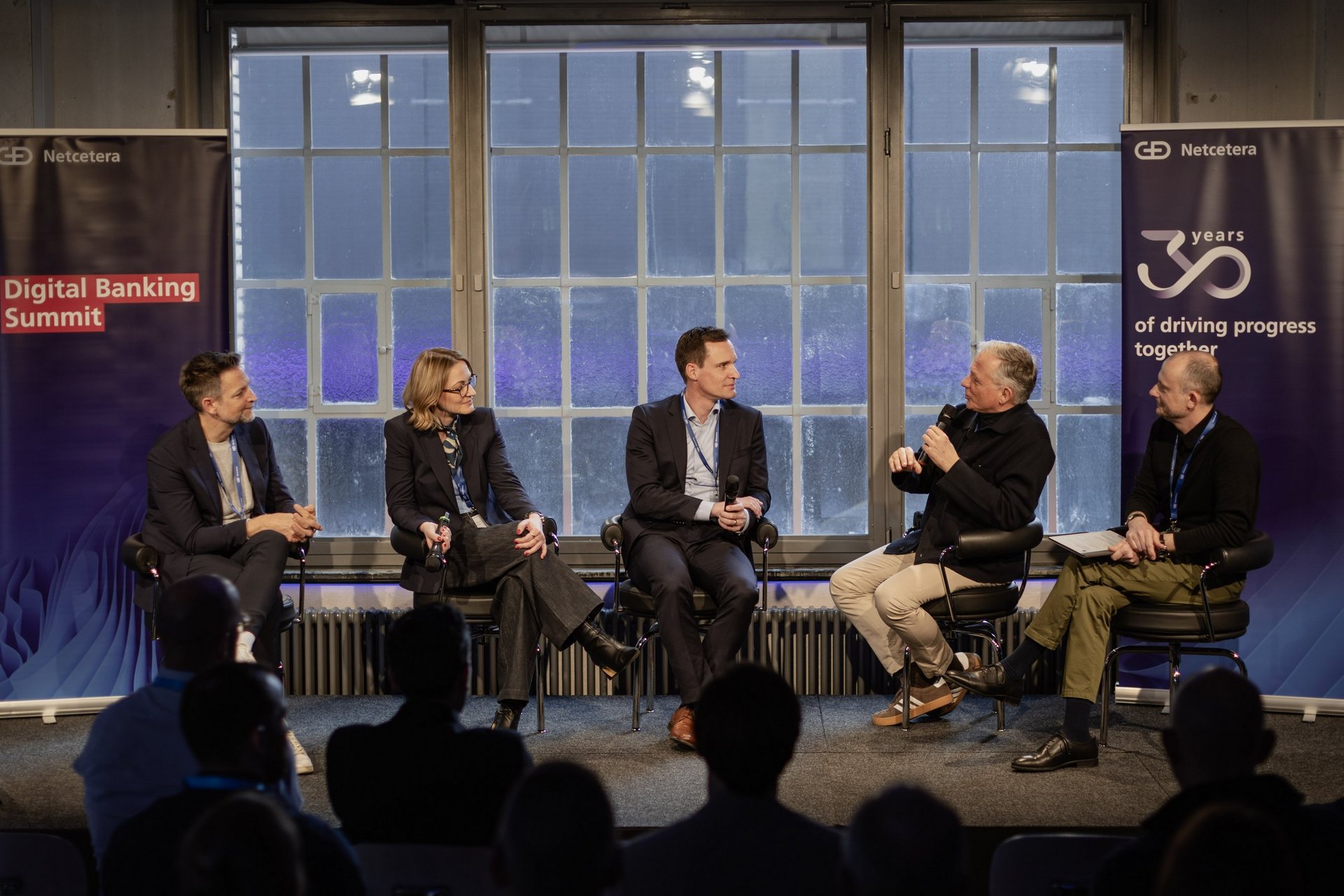
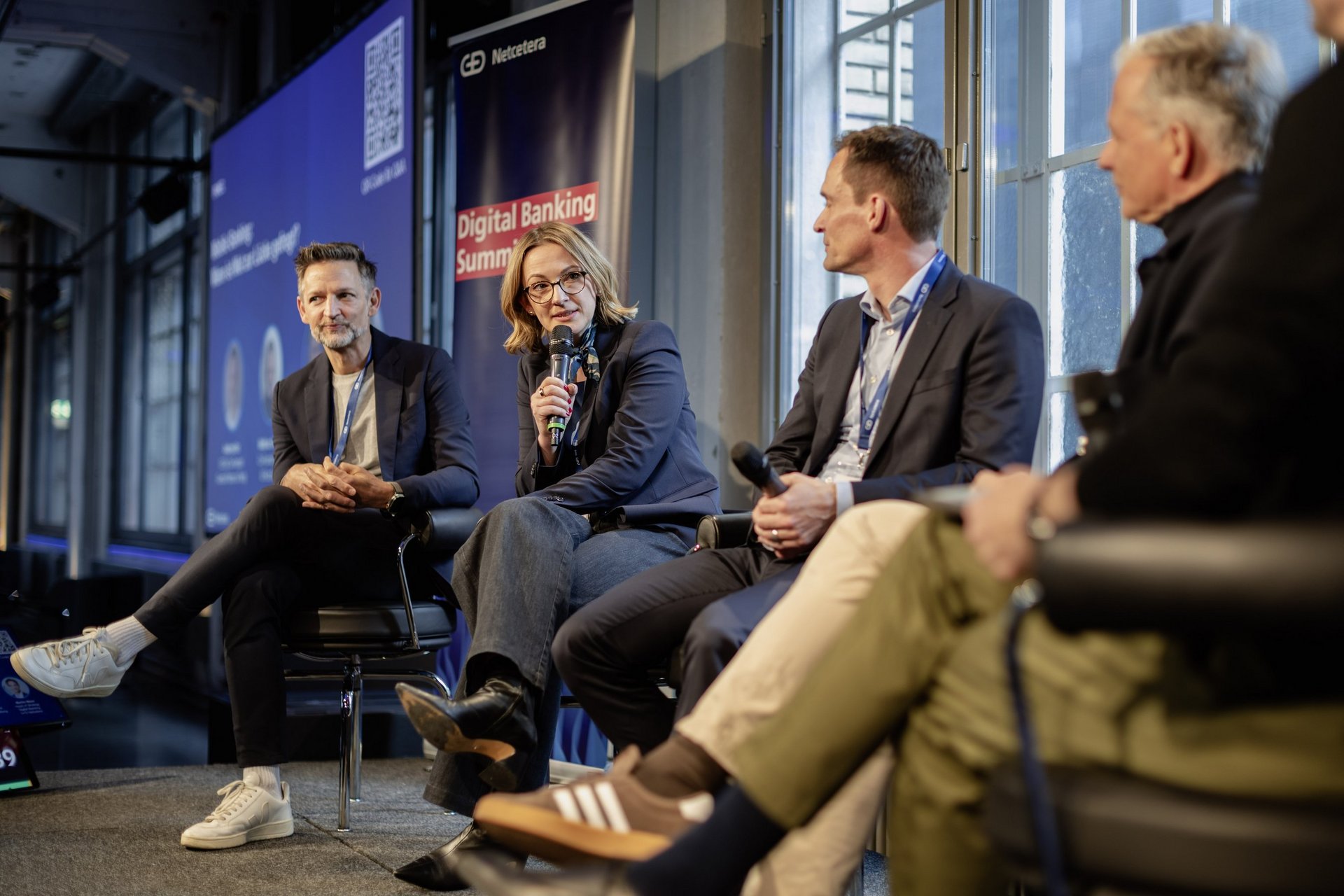
The panel discussion moderated by Andreas Pages, Head of Consulting & Solutions Digital Banking at G+D Netcetera, with participants Sarah Braun, Matthias Körner, Andreas Iten, and Martin Meier, discussed how to create more clarity and genuine enthusiasm in today's vast, sometimes completely overloaded digital offering. There was agreement that if the customer experience is not compelling, even the best technical solutions will fail, leaving customers frustrated. Nobody wants that. The panel participants see simplification, fewer fancy features, and a deliberately designed customer experience that really puts people at the center as possible solutions.